
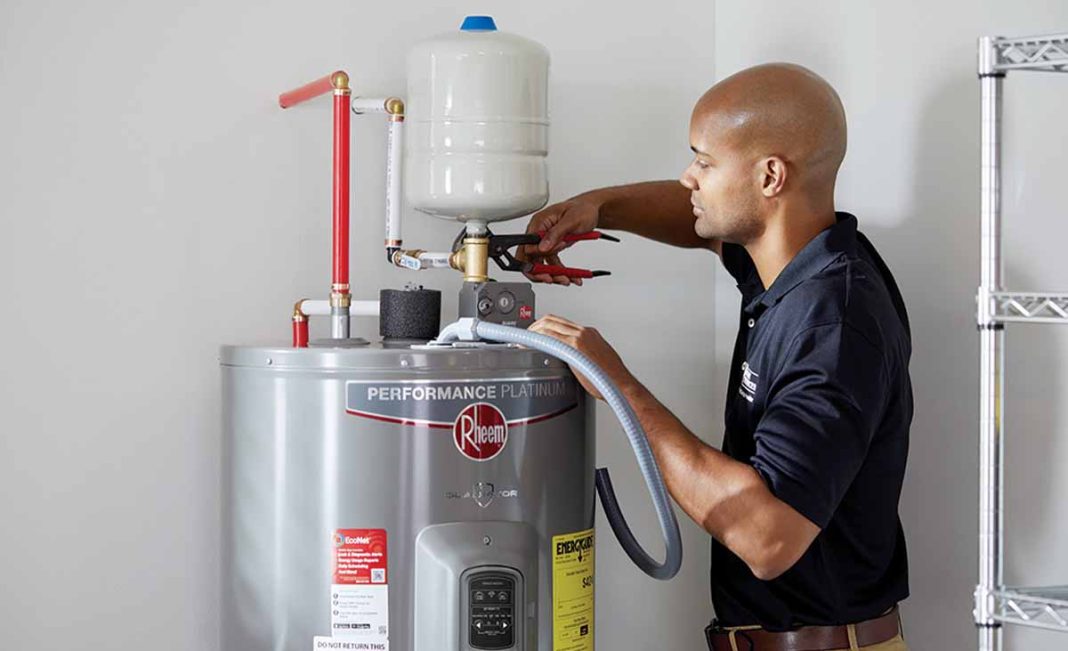
Smart technology is gradually becoming part of household systems, including appliances that manage hot water.
Homeowners who plan to switch to a digital heating setup often begin by consulting with a licensed plumber. Before the installation, several checks and updates must be completed to ensure compatibility and functionality.
A smart water heater requires specific conditions to operate safely and efficiently. One must take the help of qualified plumbers to assess these conditions by evaluating existing systems, checking compatibility, and completing necessary upgrades. Their preparation process focuses on wiring, water lines, space, and system integration.
Evaluates the Existing Water Heating Setup
The first step involves a thorough review of the current water heating system. This check helps determine whether the transition can be done directly or if modifications are necessary.
Key components reviewed include water lines, venting, and temperature controls. The plumber inspects gas or electrical connections, depending on the new unit’s energy source. They also inspect for corrosion, sediment buildup, and the quality of insulation.
Ensures Internet Connectivity
Many smart heaters connect to home networks for monitoring and remote access. Plumbers may not directly configure the device, but they ensure that the unit is located where the signals remain strong.
Placement plays a crucial role in determining whether the heater can maintain a stable Wi-Fi connection. Router range and signal obstructions are considered during this stage.
If necessary, clients may be advised to use signal boosters or move their routers closer to the installation area to ensure seamless integration.
Inspects and Replaces Plumbing Lines
Water lines must be in good condition to support advanced heating systems. Older galvanized or polybutylene pipes are sometimes replaced with modern alternatives.
This step ensures better flow and minimizes the chance of leaks or contamination. Valve placement and pressure regulators are also evaluated. Some digital systems include automatic shut-offs or require isolation valves for safe servicing.
Verifies Space and Ventilation Needs
Every smart heater has specific space and airflow requirements. Hybrid or tankless systems often require different clearance levels compared to conventional systems.
Ventilation is also a consideration, especially for gas-powered models that rely on exhaust systems. A plumber confirms that the proposed location supports these needs. If changes are needed, such as vent relocation or wall reinforcement, those tasks are scheduled before installation day.
Makes Final Adjustments
Once the new system is installed, the plumber conducts a series of tests to ensure its proper functioning. These include checking water temperature accuracy, detecting leaks, and reviewing performance over time.
If the model consists of features such as auto-learning or schedule-based heating, those settings are verified to confirm they operate as expected.
How to Find a Good Plumber
Choosing the right plumber is key when preparing your home for a smart water heating unit. Look for professionals who are licensed, insured, and experienced with both traditional and modern heating systems.
Reading customer reviews, checking certifications, and asking for referrals can help you find someone trustworthy. It’s also wise to ask if they’ve installed smart heaters before, as familiarity with digital features and system requirements ensures smoother installation and fewer surprises.
Professional expertise helps align home infrastructure with advanced heating system requirements.
Installing a smart water heater involves coordinated adjustments to plumbing, electrical systems, and connectivity. With careful planning, the transition allows for efficient performance and long-term reliability.

