

Many digital stores invest heavily in design and advertising, but forget the core principles that help customers find them.
SEO often gets pushed aside, assumed to be a one-time setup, or something to worry about later. That delay costs visibility, traffic, and, ultimately, sales.
Savvy retailers understand that growth depends on more than visuals and promotions. Technical SEO, though less glamorous, keeps a store competitive in search.
Experts like HigherVisibility.com point out how neglected basics quietly limit a store’s potential. Without a solid technical foundation like fast load times, clean site architecture, and proper indexing, even the most stunning storefront can struggle to attract organic traffic.
 Structured Data Helps Search Engines Understand Your Store
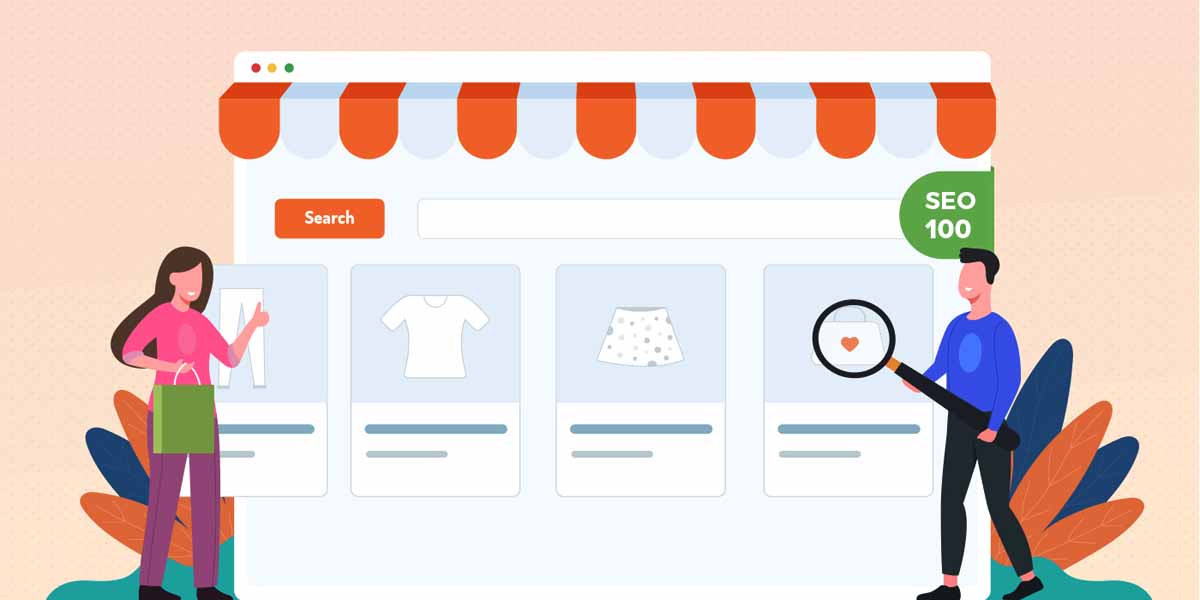 Structured Data Helps Search Engines Understand Your Store
Structured data is a digital store’s most valuable but underused SEO tool. It acts like a translator, helping search engines interpret and display information more accurately.
Product details like reviews, availability, pricing, and specifications can all be flagged using schema markup.
When properly implemented, it increases the chances of your listings appearing with rich results, which are more likely to catch a shopper’s eye.
Large catalogs significantly benefit from this, as each product page becomes more apparent and discoverable in search engine results pages.
Speed and Mobile Experience Should Be Prioritized
Shoppers won’t wait for slow websites. If a page takes too long to load, many users leave before seeing a single product. Speed and mobile responsiveness directly impact both satisfaction and rankings.
Common issues that hurt performance include:
- Bulky, uncompressed images
- Poor caching setups
- Outdated or unoptimized code
Stores routinely test and refine these areas to stay visible and competitive across mobile and desktop searches.
Internal Linking Builds Pathways for Both Users and Bots
Internal linking plays a key role in helping both visitors and search engines move through your site efficiently. For large digital stores, a smart linking strategy improves visibility and ensures deeper pages aren’t overlooked.
Effective tactics include:
- Linking high-traffic blog posts to relevant product or category pages
- Connecting related items within product descriptions
- Ensuring every key page has multiple internal entry points
These simple actions build a web of connections that improves navigation, boosts engagement, and enhances crawlability.
Duplicate Content Weakens Store Authority Over Time
Many digital retailers fall into the trap of using identical product descriptions across multiple pages, especially when selling similar items or sourcing from manufacturers.
This makes it hard for search engines to decide which version to rank, often resulting in lower visibility. To avoid this, stores should invest time in writing unique copy or modifying existing content.
Canonical tags can signal which page is the original, helping search engines prioritize the right content.
Thin and Unlinked Pages Hurt Your Site’s Potential
Thin content refers to pages with little to no critical data. These are often overlooked during growth, especially in extensive catalogs where each product has its page. Orphaned pages without internal links are another silent threat,
as they are rarely discovered or crawled. Boosting these pages with reviews, user-generated content, or FAQs can significantly improve engagement. Ensure every page is linked from somewhere relevant, whether a navigation menu, category page, or blog post.
Every ambitious online store should revisit its SEO foundation regularly. Trusted professionals often highlight that success lies in adhering to the basic SEO guidelines.
From structured data and fast-loading pages to internal linking and strong content, these essentials drive long-term organic growth.
Skipping them may cost visibility, but focusing on them can give digital retailers a clear edge in competitive markets.

