
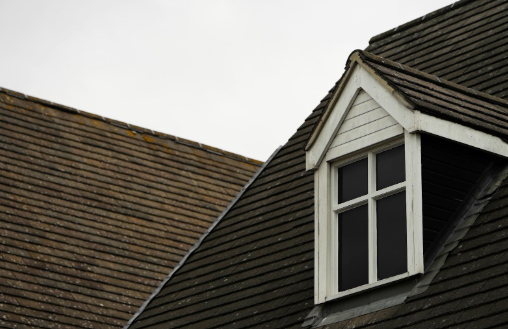
Your roof silently protects your home from harsh weather, debris, and external elements. Over time, even the most durable materials can deteriorate, leading to structural issues and water damage. Ignoring early signs often results in higher repair costs and more extensive damage. Below, we will examine the most common signs that your roof may require attention. Keep reading to learn what to look out for before minor issues escalate into costly repairs.
Visible Damage: Shingles, Leaks, and Stains
Cracked, curled, or missing shingles are among the most obvious signs of roof damage. These imperfections often result from wind, sun exposure, or age-related deterioration. Water can easily seep through these weak points, leading to more severe structural issues.
Water leaks often start small, making them easy to overlook. Damp spots in your attic or water trails down interior walls usually indicate compromised roofing. These issues tend to worsen with each storm or period of heavy rainfall.
Dark stains or discoloration on your roof can signal moisture buildup or algae growth. Stains that persist even after dry weather suggest an underlying drainage problem. Moss accumulation also traps moisture, accelerating wear on the shingles.
If you’re looking for professional help, a quick Google search, such as “roof repair West Windsor NJ,” can help you find a local provider. Roofing contractors can inspect your home and offer solutions before conditions worsen. Addressing visible damage early enables you to avoid more expensive repairs later on.
Interior Warning Signs You Shouldn’t Ignore
Sagging ceilings are a serious indicator of moisture damage. The weight of trapped water can compromise both the drywall and the roof deck. This issue should be addressed immediately to prevent the ceiling from collapsing. Delaying repairs can also lead to mold growth and electrical hazards.
Mold growth near vents or at the corners of the ceiling suggests poor ventilation and potential hidden leaks. Mold thrives in damp conditions and often indicates that moisture has been present for an extended period. Breathing in mold spores can also pose health risks. In some cases, the affected materials may need to be replaced entirely.
Peeling paint or bubbling wallpaper often starts near the ceiling line. This typically occurs when moisture seeps in through the roof and affects interior walls. The damage may continue to spread if it is not addressed at its source. Left untreated, it can weaken wall structure and degrade insulation.
Musty odors in the attic or upper floors point to damp insulation or wood rot. If the smell persists even with good airflow, your roof may be compromised. Detecting and fixing the root of the issue helps eliminate future repairs. These odors can also attract pests and contribute to poor indoor air quality.
Age and Weather: How Time Impacts Your Roof’s Health
Most roofs have a lifespan ranging from 20 to 30 years, depending on the materials used. Asphalt shingles tend to wear faster than metal or tile roofing. If your roof is nearing the end of its expected life, regular inspections become essential. Catching signs of wear early can help extend the life of the roof and prevent structural issues.
Snow, ice, and heavy rain put extra strain on roofing materials. Ice dams can form during winter, leading to trapped water under shingles. Seasonal weather changes contribute to gradual wear and tear, as well as unexpected leaks. Accumulated moisture can also lead to rot and mold beneath the surface.
Frequent temperature swings cause expansion and contraction in roofing materials. Over time, this weakens the seals and fasteners that hold the structure together, allowing it to deteriorate. Older roofs are especially vulnerable to this type of stress. Consistent inspection can help detect stress points before they turn into significant problems.
UV rays from prolonged sun exposure break down protective layers on shingles. This leads to brittleness and eventual cracking. Regular maintenance helps slow the aging process and prolongs roof integrity. Applying reflective coatings can offer extra protection against sun damage.
Overall, recognizing the early signs of roof damage can save you from costly repairs, protect your home’s structural integrity, and prevent potential health risks. Staying proactive with regular inspections and timely maintenance ensures your roof continues to perform optimally for many years to come.

