
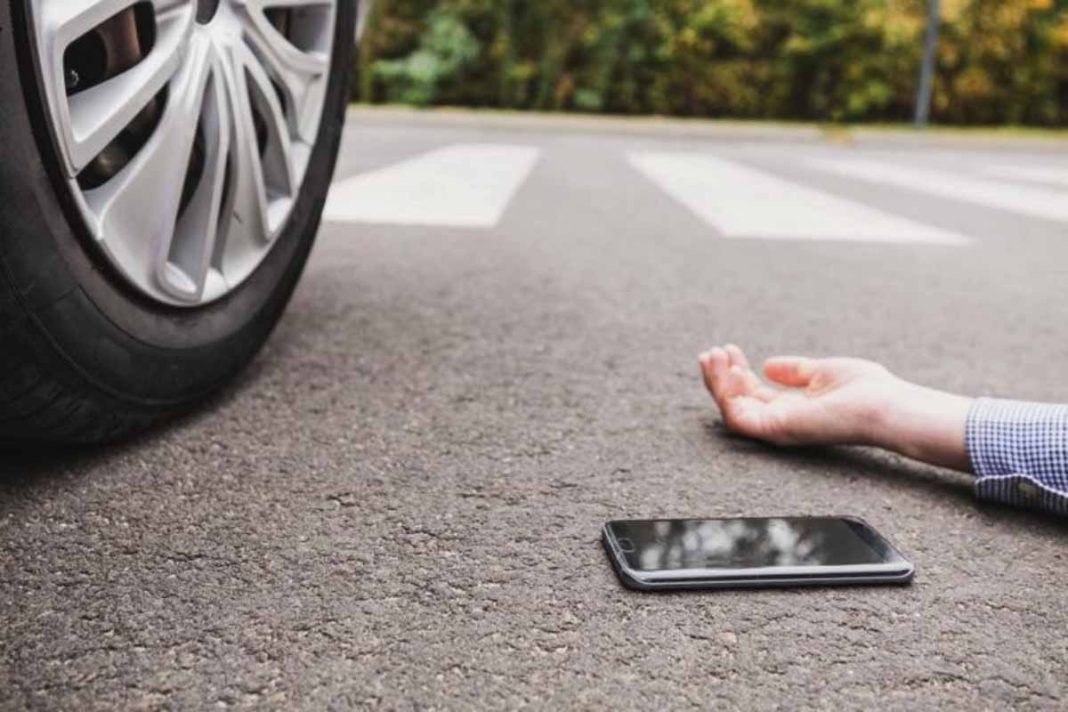
Every day, innocent pedestrians are struck by vehicles, leaving them with life-altering injuries—or worse. What makes these accidents so common, and how can you stay safe? From distracted drivers to poorly designed crosswalks, pedestrian accidents often result from preventable factors.
Understanding these risks could mean the difference between a safe walk and a devastating collision. If you or a loved one has been hurt, knowing the causes and how to avoid them is crucial. And if the worst happens, experienced pedestrian accident attorneys can help you fight for justice and compensation.
Let’s explore the top causes of pedestrian accidents and the best ways to prevent them so you can stay protected on the streets.
5 Common Causes of Pedestrian Accidents and How to Prevent Them
Pedestrian accidents can happen in a variety of ways. While some incidents are unavoidable, many occur because of preventable factors. Here are the top causes of pedestrian accidents and how they can be avoided:
-
Distracted Driving
With the rise of smartphones and other technology, distracted driving has become one of the leading causes of pedestrian accidents. Drivers texting, talking on the phone, or checking GPS systems may not notice pedestrians crossing the street, putting lives at risk.
Prevention Tips:
- Drivers should stay focused and avoid any distractions while behind the wheel.
- Pedestrians should be extra cautious when crossing near intersections, especially when vehicles are stationary, but drivers might still be distracted.
-
Failure to Yield
A common cause of pedestrian accidents is when drivers fail to yield to pedestrians at crosswalks or traffic lights. In many jurisdictions, pedestrians have the right of way when they are in or near a crosswalk.
Prevention Tips:
- Pedestrians should always cross at marked crosswalks and only when traffic signals indicate it is safe.
- Drivers must be mindful of pedestrian signals and yield to pedestrians when required by law.
The law requires drivers to yield to pedestrians at intersections, even if there is no traffic signal. Failure to do so can result in serious accidents and legal consequences.
-
Speeding and Reckless Driving
Excessive speed is another significant cause of pedestrian accidents. Drivers who speed through neighborhoods, school zones, or busy city streets may not have enough time to react if a pedestrian steps into their path. At higher speeds, the impact of a collision is often more severe, leading to fatal or life-threatening injuries.
Prevention Tips:
- Pedestrians should stay alert, especially in areas known for speeding or where speed limits are often ignored.
- Drivers should adhere to speed limits, particularly in residential areas or near schools.
Most states have laws that enforce speed limits, particularly in pedestrian-heavy areas.
-
Poorly Designed Crosswalks and Inadequate Signage
Many pedestrian accidents occur because of poorly designed or inadequate crosswalks. Whether due to a lack of clear signs, faded lines, or confusing road layouts, pedestrians can find themselves in dangerous situations when crosswalks are not well-marked.
Prevention Tips:
- Local authorities must improve signage and crosswalk visibility, particularly in high-traffic areas.
- Pedestrians should always choose the safest path, using crosswalks whenever available and making sure they are clearly marked.
The Federal Highway Administration (FHWA) has issued guidelines for pedestrian facilities to improve safety, recommending better lighting, clearer markings, and the installation of signals that alert both drivers and pedestrians of their responsibilities.
-
Impaired Driving
Alcohol and drug use severely impair a driver’s reaction time and judgment. Pedestrian accidents involving impaired drivers are more likely to result in serious injuries or fatalities.
Prevention Tips:
- Pedestrians should avoid walking near traffic when they are impaired by alcohol or drugs, as their judgment can be compromised.
- Drivers should never get behind the wheel if they are intoxicated or under the influence of drugs.
In many states, DUI (Driving Under the Influence) laws explicitly prohibit driving while impaired.
How to Stay Safe
Whether you’re walking or driving, it’s essential to be proactive in preventing pedestrian accidents. Here are a few additional tips to help keep everyone safe:
For Pedestrians:
- Always make eye contact with drivers before crossing.
- Avoid distractions, such as listening to music or texting, while crossing the street.
- Wear bright or reflective clothing when walking at night.
For Drivers:
- Slow down in areas with heavy foot traffic, such as school zones, neighborhoods, and crosswalks.
- Always stop for pedestrians at crosswalks and yield to them when appropriate.
- Stay focused and avoid distractions like texting or using a phone.
By recognizing the common causes of pedestrian accidents and taking proactive steps to reduce risks, both pedestrians and drivers can contribute to making our streets safer.

