
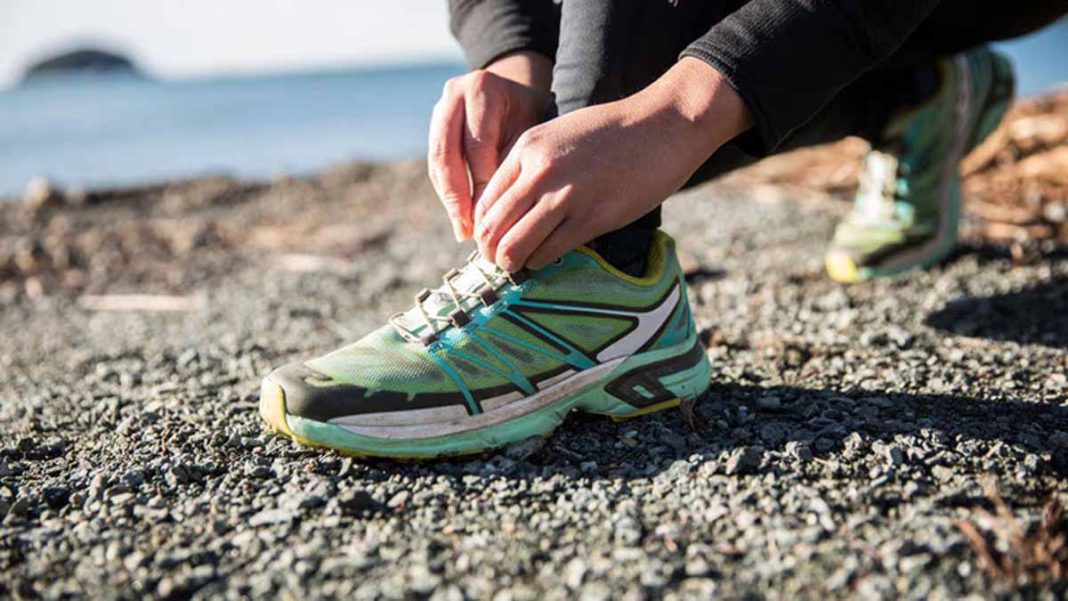
Choosing the right footwear for outdoor work is more than just a matter of comfort. It’s a critical factor in ensuring safety and efficiency in the workplace.
Whether you’re working in construction, landscaping, or any other outdoor job, the right footwear prevents injuries, improves performance, and supports long hours on your feet.
Hence, understanding how to select the appropriate shoes becomes essential. This guide breaks down the importance of selecting the right type of footwear for outdoor work environments.
 The Importance of Choosing the Right Footwear
 The Importance of Choosing the Right Footwear
Every outdoor job presents unique challenges. Having the right footwear makes tackling those challenges easier and safer. Injuries from slips, falls, and punctures can lead to costly downtime and medical expenses.
Slips, trips, and falls account for all injuries in the workplace. This highlights the necessity of proper footwear that can provide traction and support.
Additionally, different work environments require specific features in footwear. For example, if you’re working in muddy, unpredictable terrain, a shoe with excellent grip and waterproof capabilities is paramount.
In contrast, if you’re operating machinery, steel-toed boots may be a requirement to ensure protection against potential hazards. Understanding these needs lays a foundation for selecting the right footwear.
Key Factors to Consider When Selecting Footwear
1. Safety Features
When working outside, staying safe is very important. You should choose shoes that help protect your feet. Look for ones with steel or hard-toe caps to guard against heavy things falling.
Shoes with tough bottoms can stop sharp objects from poking through. Slip-resistant soles help you stay steady on wet or bumpy ground. If you work near wires or machines, special shoes can help protect you from electric shocks.
2. Comfort and Fit
Comfort is very important when picking work boots. A good fit helps keep your feet from getting tired or sore during long hours.
When trying on boots, wear the same socks you use at work. Make sure your toes have space to move and that the boots have good arch support to protect your feet from strain.
Many outdoor workers spend long hours on their feet. It makes comfort and fit pivotal for productivity and well-being.
Well-fitted shoes can help reduce aches and soreness. It allows you to focus on your tasks rather than your feet.
3. Material Quality
The materials used in footwear construction can greatly affect comfort and durability. High-quality leather provides a durable, supportive fit but may require a break-in period.
Synthetic materials, on the other hand, are lighter and breathable. They offer more immediate comfort but might not withstand harsh conditions as long. Choose materials based on your specific work environment to ensure prolonged use.
For instance, brands like Altberg provide military-grade boots designed for outdoor work environments. The Altberg Peacekeeper model, for example, is known for its durability, comfort, and specialized safety features suitable for various outdoor conditions.
4. Weather Conditions
When working outside, the weather can change a lot and affect how safe and comfortable you feel. That’s why it’s important to pick the right shoes. Choose waterproof boots for rainy or muddy days, insulated boots to keep your feet warm in the cold, and breathable shoes to stay cool when it’s hot and humid.
5. Terrain Type
Different terrains require different types of footwear. If you are on rocky ground, look for shoes with rugged soles that provide traction. For flat, soft surfaces, footwear with a softer sole might suffice. Assess your regular work environment and choose shoes that enhance stability and grip.
Types of Footwear for Outdoor Work
Not all outdoor shoes are designed equally. Here’s a look at some common types of footwear suitable for various outdoor work scenarios:
1. Steel-Toe Boots
Often mandated in construction and industrial settings, steel-toe boots provide maximum protection against heavy falling objects. Look for pairs that offer additional comfort features like cushioning and breathable materials.
2. Waterproof Boots
If you often find yourself in wet environments, waterproof boots will be your best friend. Moreover, models with sealed seams and waterproof insoles provide added protection against moisture.
3. Hiking Boots
Hiking boots strike a balance between comfort and durability. They also offer excellent grip on uneven terrain. They can ensure you select a pair with good ankle support, especially for heavy loads.
4. Composite-Toe Boots
For workers needing protection without the weight of steel, composite-toe boots can be beneficial. These boots meet safety standards while being lighter. These offer better thermal insulation.
5. Safety Sneakers
For outdoor workers in less dangerous environments, safety sneakers provide the cushioning and support required without the heavy-duty features. They are often lighter and more breathable than traditional boots.
The Role of Technology in Footwear
Advancements in technology have revolutionized footwear design. It leads to safer and more comfortable options. Features such as moisture-wicking materials, antimicrobial insoles, and advanced cushioning systems enhance comfort and hygiene. Some brands even integrate GPS tracking and other smart features for added safety.
How to Maintain Outdoor Work Footwear
Taking care of your outdoor work shoes helps them last longer and keeps your feet safe and comfy. Make sure to clean your shoes often to get rid of dirt. Use a waterproof spray to help keep your feet dry.
Check your shoes for any damage and replace them if needed. Always store them in a dry, airy place so they don’t get moldy.
Making the Right Choice
With many options available, selecting the right footwear for outdoor work can feel overwhelming. With many options available, selecting the right footwear for outdoor work can feel overwhelming. However, understanding your specific needs safety, comfort, or environmental factors-you can narrow down your choices considerably. Always prioritize quality and fit to ensure your footwear serves you well through the rigors of the job.
Prioritize Footwear for Success
In outdoor work, the right footwear plays an indispensable role in not only enhancing comfort but also in ensuring safety. Workers must be equipped with shoes designed to tackle their unique job environments effectively. As you make your selection, remember to weigh safety features, comfort, material quality, and specific work conditions heavily.
Choosing the right footwear will offer peace of mind and confidence. This allows you to focus on your work without distraction.
Take the time to assess your needs and invest wisely in high-quality footwear that stands the test of time.

